
Ofer Moskovich
Performance Marketing Manager
(PPC / UA / Growth… or whatever you call it)
“I like clear goals, clean structure, and a campaign that knows what it’s here to do.”
I run paid media for e-commerce and lead-gen brands, in Israel and abroad. Most of the budget goes through Google Ads and Meta - Search, Shopping and social - and I own the account, not just the campaigns: structure, budgets, product feed optimization and creative testing.
I judge the work by the one number the client actually cares about - cost per lead, ROAS, whatever the business runs on. Getting to it means working inside the stack that is already there, and leaving the measurement better than I found it.
AI is not the magic fix some people expect it to be. It shortens processes, runs deep analysis fast, spots what made a winning creative work and drafts the brief for the next one - but it will not replace experience or human context, and it still will not make you a coffee.

I produce ad copy and visual creative with gen-AI tools - Gemini, Claude and others - mainly to cut the waiting and the back-and-forth with teams outside the media department.
- What goes in - brand language, ad-account data, the personas we are actually buying, and the format best practices of each platform.
- What comes out - variants ready to test, built in the shape the platform rewards.
- Why it helps - the person making the creative is the person reading the numbers, so less gets lost on the way.

Claude Code, platform APIs and Google Apps Script turn raw ad data into a creative report that runs on schedule, weekly or monthly.
- What it does - ranks the ads and points to the elements the winning ones have in common.
- What comes out - a brief for the next round of creative, ready to hand over.
- What it saves - hours of sitting with exports trying to work out what worked, why, and how to turn that into next month’s creative.
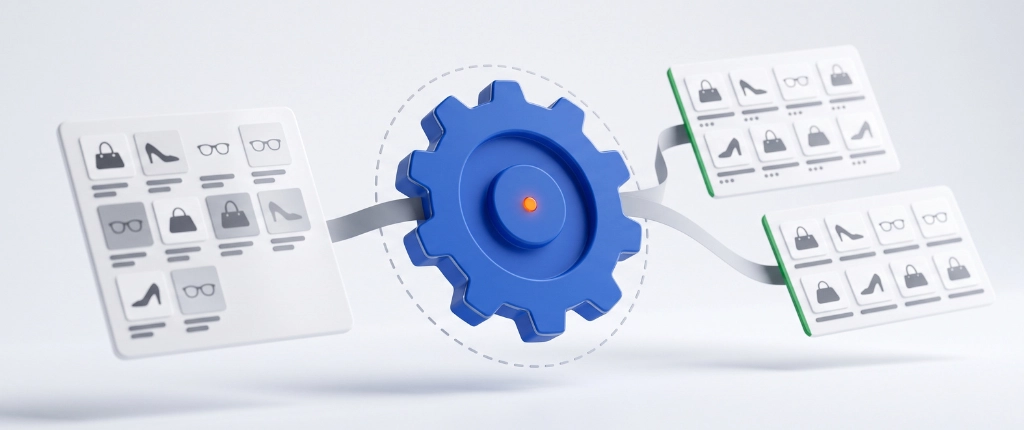
Shopping feeds are where a lot of budget quietly underperforms, and they are usually the last thing anyone opens.
- Build - attribute-rich feeds and ad-ready product titles, structured for Shopping campaigns on Google and on Meta.
- Upkeep - automated search-term analysis and scheduled feed updates, so the changes come from data rather than from a hunch.
- Where it shows - CPC, CTR and conversion rate.
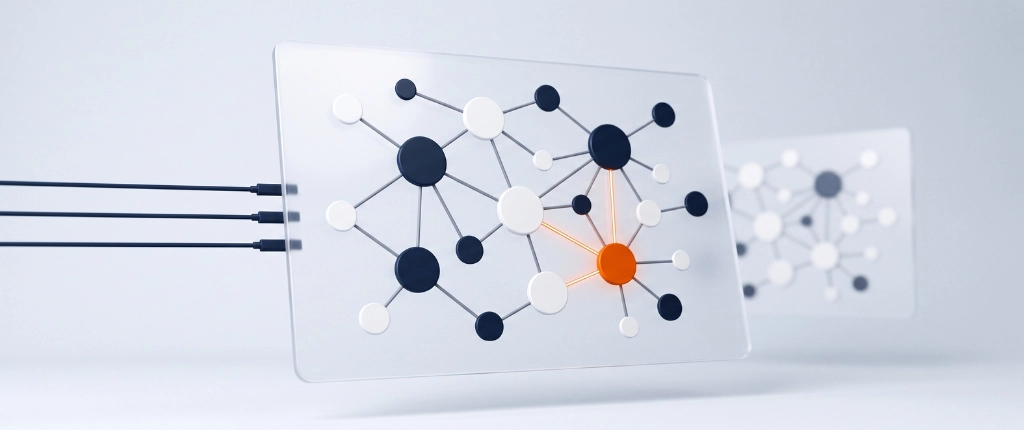
When a number moves, I want the cause and not a theory - so I build root-cause trees that map the metrics of each platform and how they feed each other.
- Setup - a tree per ad platform with its own relevant metrics, connected by API so the data is live.
- Investigation - follow the branch that moved down to the level that actually changed.
- Why it matters - sometimes the cause is not in the media at all, and knowing that prevents changes to an account that was never the problem.

The core of most accounts I run - Search and Shopping, built from the keyword up.
- Research - keyword and search-term research, competitor and auction analysis, and the negative lists that keep spend on intent rather than on traffic.
- Build - Search, Shopping and Performance Max campaigns structured by intent and by margin, with ad groups tight enough that the copy matches the query.
- Bidding - tROAS, tCPA and Impression Share, matched to the goal of the campaign rather than applied by default. Each one runs on clean measurement and quality audiences, so those come first.
- Ongoing - search-term mining, budget pacing, RSA and asset testing, and a Merchant Center tuned for feed performance.
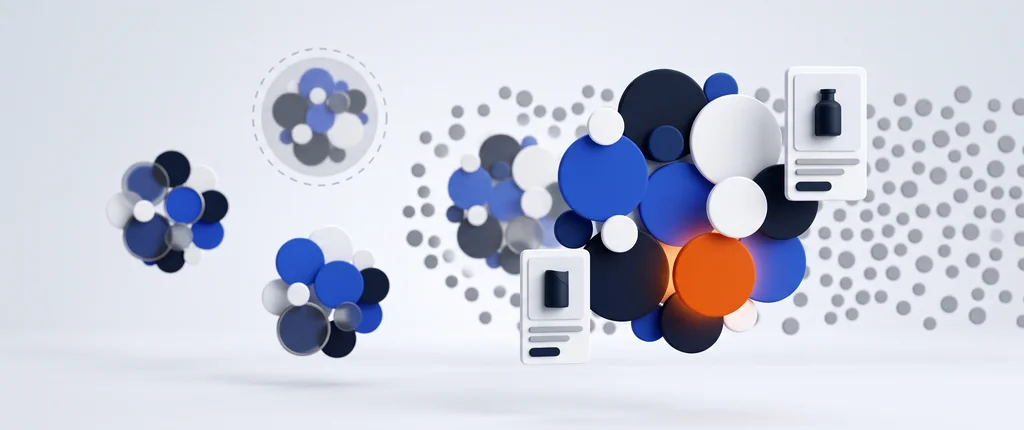
Prospecting and retargeting built around the audience and the offer.
- Audiences - segmentation by intent and stage: custom audiences from site, catalogue and CRM events, and lookalikes off the segments worth copying.
- Build - Advantage+ and manual campaigns, with creative formats matched to the audience.
- Catalogue ads - Google Shopping's logic on a push channel - the same feed optimization work, review ratings included, so the algorithm has more to match on and the product card carries the proof.
- Bidding and budget - tROAS, tCPA or maximum impressions depending on objective and funnel stage, with enough budget behind each campaign to finish the learning phase.

One source of truth per account, agreed with the client - not because the platforms lie, but because each counts by its own attribution rules. Media gets judged against one set of rules, not a new one every month.
- GA4 - events and conversions, funnel and audience reports, and attribution comparison across platforms.
- Shopify - native reports and the Shopify API, so revenue and repeat behaviour sit next to ad spend.
- Tracking setup - Google Tag Manager, conversion tracking, the Meta Pixel and Conversions API, and UTM discipline.
- Inherited setups - an existing stack does not get rebuilt in a day. Measurement is part of the optimization, and it ends better than it started.
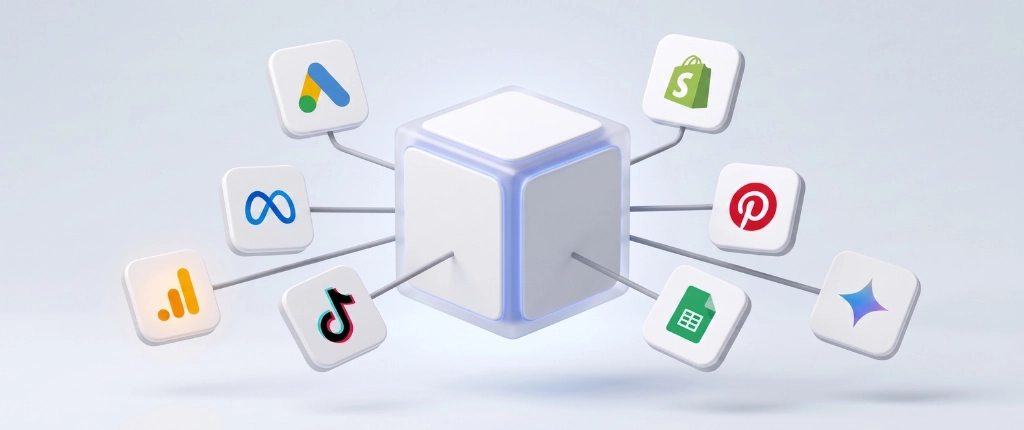
Ad platforms, analytics and AI tooling - hands-on across all of them, deepest where the budget sits.
- Fit - is the audience there, is the goal branding or selling, and can we make the content that platform rewards?
- Proof before budget - a new channel gets money once it beats what is already running.
- Same yardstick - channels are compared on one set of numbers, not each on its own dashboard.